
[Blog] Solving the Scope 3 Challenge: Why Grain Companies Are Turning to Digital MRV
2026-07-10
Do you know how much greenhouse gas was released while the rice or grain on your plate today was being grown?
Most people don’t. And until recently, there was little reason to. Where food came from, how it was grown, and what was emitted along the way mattered little to most people. Even for grain companies, emissions at the farm level were not yet something they were expected to measure, manage, or explain in detail.
Today, that is changing. Companies are expected to account not only for what they burn directly, but for emissions generated far upstream in their supply chains. And increasingly, that account has to be backed by data rather than intention.
This shift isn’t confined to one industry. Manufacturing, retail, finance: any organization with a supply chain is running into the same question. Few sectors make the shift as visible as grain and rice.
▶ Three pressures, one direction
Three forces are converging here. Investors are asking for credible climate data. Customers and regulators are pushing for supply chain transparency. And procurement teams are starting to write emissions criteria directly into sourcing decisions. What a company buys and where it buys it from is no longer the whole picture; what happened during production is becoming part of the equation too. These pressures cut across industries, but for companies sourcing agricultural products, they land hardest on the part of the chain that has historically been hardest to see: the farm.

The Scope 3 Hurdle: A Fragmented and Sprawling Supply Chain
Emissions are generally grouped into three categories.
- Scope 1 covers what a company burns directly, through its own facilities, processes, and vehicles.
- Scope 2 covers the indirect emissions tied to the energy it purchases, mainly electricity and heat.
- Scope 3 is the harder one: it spans everything else across the value chain, from upstream raw material production through logistics, product use, and disposal.
This is where the real challenge sits. For a rice company, a large share of total emissions, often the majority, occurs before the crop ever reaches company facilities, at the cultivation stage across thousands of individual farms. From there, emissions continue through drying, processing, storage, transport, and port logistics. Cultivation itself is a major source in its own right, with methane from flooded paddies a leading contributor. Because farming practices, water use, and logistics vary widely from region to region, pulling this into consistent data is difficult.
Part of the problem is that Scope 3 is simply too broad and too tangled to treat every emission source the same way. What matters more is identifying the sources that are actually material, and building data-driven management from those points outward.
Where the standards are heading
International standards are sharpening this expectation. The direction of the recently proposed SBTi Corporate Net-Zero Standard update is clear: the emphasis is moving from setting a target to showing, concretely, where and how much a company has reduced.
Two things stand out. First, relying on averages or generic emission factors for Scope 3 is becoming increasingly inadequate; material sources will increasingly require primary data. Second, offset credits are treated as a complement, not a substitute; real reductions within a company’s own operations and supply chain remain the core of a credible net-zero claim. Companies are being asked to move past statements of intent and point to where a reduction happened and how large it was.
📌 Related articles
What we’re hearing in the field
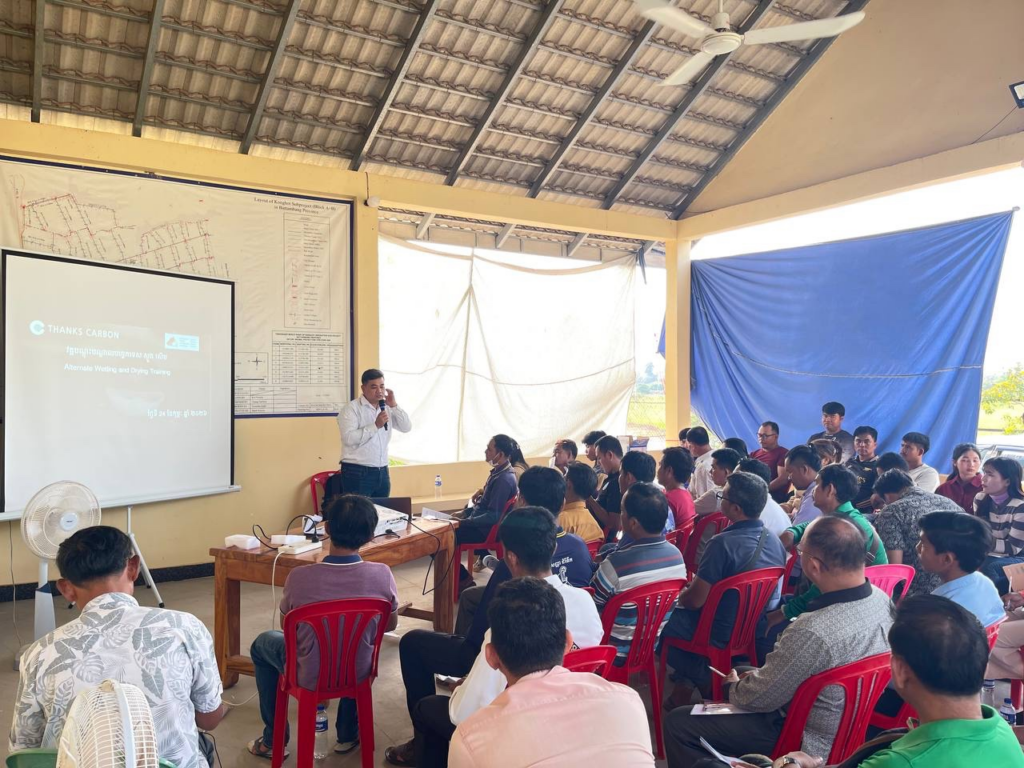
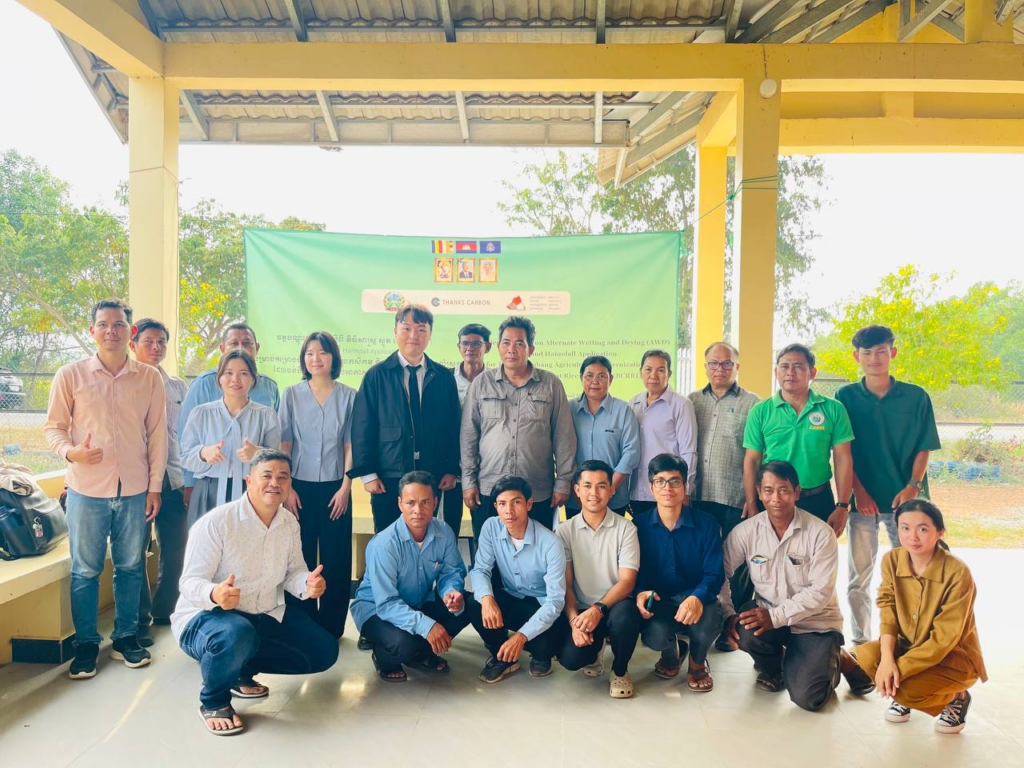
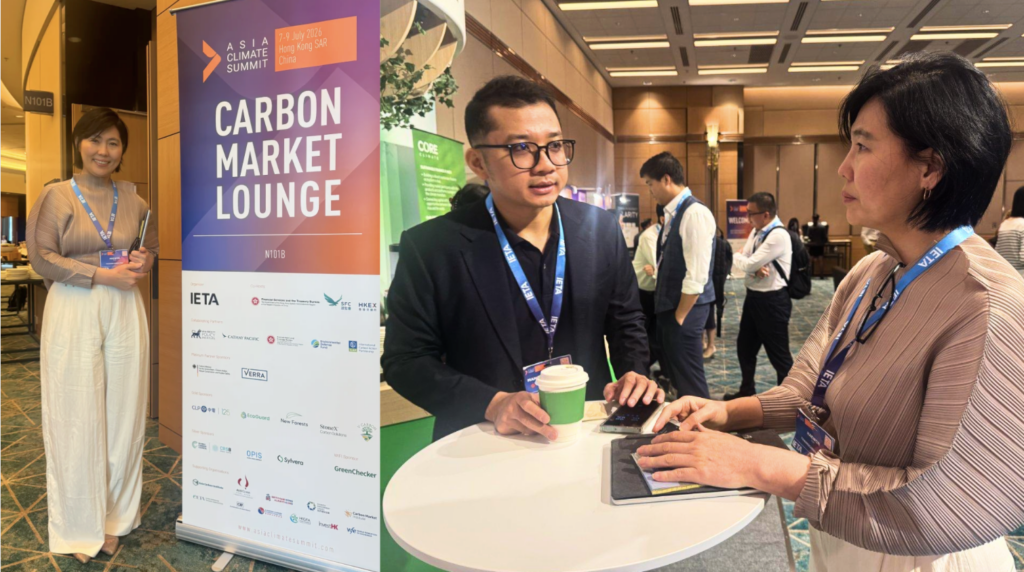
This is the conversation ThanksCarbon has been having with two grain and rice companies in recent months. One is a global grain trading company; the other is a leading organic rice exporter in Southeast Asia. Their scale and markets differ, but the challenge they described was the same: how to understand, and then reduce, emissions at the origin of the rice they source.
Both face the same practical limits. Neither can send people to inspect thousands of individual farms, and the variation in farming methods and water use across regions makes it challenging to aggregate verified emission and reduction data at scale. For a grain company, Scope 3 quickly becomes a data problem and a supply chain problem at once.

Where Haimdall fits in
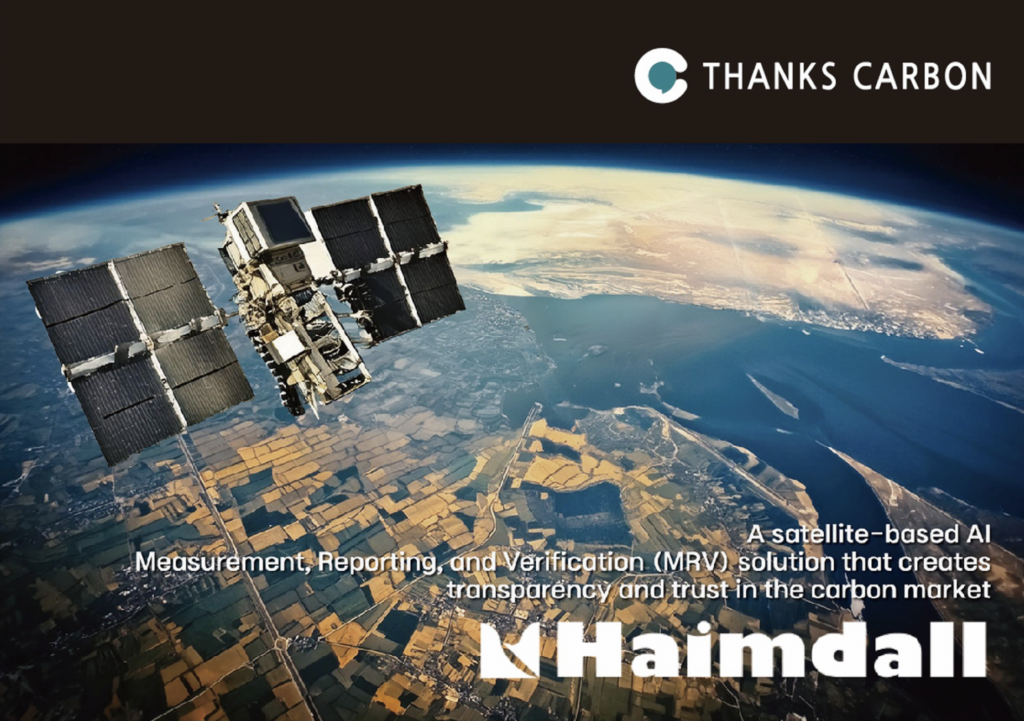
This is the gap ThanksCarbon’s Haimdall is built to close. Haimdall is a satellite and AI based digital MRV (measurement, reporting, and verification) platform. Using satellite data and AI analysis, it tracks changes happening on rice farms remotely and turns them into verifiable data. A leading example is alternate wetting and drying (AWD), a water management practice that reduces methane emissions from flooded paddies. Haimdall follows changes in water management and cultivation practice without a site visit.
For a grain company, this matters in a practical sense. It can cover thousands of paddies that no field team could reach on foot, and it can express the core drivers of agricultural Scope 3, methane, water management, cultivation practice, as measured reduction results. The question new standards are asking, where and how much was reduced, empowers companies to answer this down to the individual field level.
What draws these two companies isn’t just the technology alone. ThanksCarbon has spent years building relationships with participating farmers across Southeast Asia and signing cooperation agreements with local governments. In Vietnam, it holds a project base of more than 90,000 hectares, giving it not just a measurement tool but the ground-level infrastructure, farmer training included, needed to generate that data in the first place. A grain company needs data, and it needs the conditions under which that data can actually be produced. ThanksCarbon offers both, which is why both companies are now evaluating Haimdall for managing emissions at the point of origin.
Let’s Start the Conversation
Grain is simply where this shift shows up most clearly; it isn’t the exception. Any company with a supply chain, and any investor or institution backing one, is heading toward the same question. As standards tighten, tangible metrics showing a real reduction in a real supply chain will carry far more weight than any statement of ambition. Haimdall exists to make that number possible.
If you’d like to talk through where Scope 3 management should begin in your own supply chain, we’d welcome the conversation.
 Newsletter Subscribe


